.png)

Equipment and Facilities in Poultry Production
Poultry farming requires careful management of resources, and the right equipment and facilities contribute to the success of the operation. By providing a conducive environment, ensuring proper nutrition, and streamlining processes, equipment and facilities in poultry production play a vital role. They not only enhance the welfare of the birds but also optimize the overall efficiency, resulting in improved productivity.
Basic Equipment and Facilities in Poultry Production

Housing Structures
One of the fundamental components of poultry production is the housing structure. Properly designed and maintained poultry houses provide shelter, protection from predators, and a suitable climate for the birds. The construction materials, layout, and ventilation systems of the housing structures should be optimized to ensure adequate airflow, temperature control, and sufficient space for the birds to move comfortably.
Effective ventilation systems are essential for maintaining optimal air quality and temperature within the poultry house. Good ventilation helps remove excess moisture, ammonia, and other harmful gases, reducing the risk of respiratory diseases and promoting the birds’ overall health. It also aids in controlling humidity levels and preventing heat stress during hot weather conditions.
Lighting Systems
Lighting plays a crucial role in regulating the biological functions of poultry, such as egg production, growth, and behavior. Proper lighting systems simulate natural day-night cycles and promote the birds’ circadian rhythm. Adequate light intensity and duration are necessary for ensuring proper feed consumption, egg production, and overall well-being of the poultry flock.
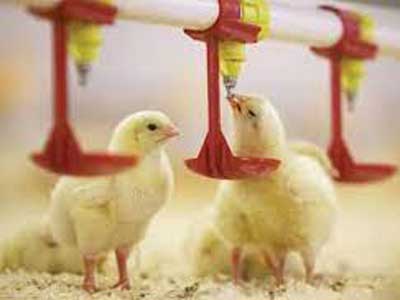
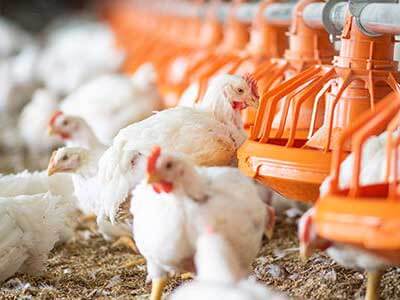
Efficient feeding and watering systems are vital for ensuring optimal nutrition and hydration of the poultry. Automated feeders and waterers provide a consistent supply of feed and water, minimizing wastage and reducing labor requirements. These systems can be designed to deliver specific diets and ensure access to clean water, thereby promoting the birds’ health and growth.
Proper waste management is crucial in poultry production to maintain a clean and hygienic environment. Effective waste management systems, such as litter management and manure disposal methods, prevent the buildup of harmful pathogens and minimize the risk of disease outbreaks. Composting and recycling of poultry waste can also contribute to sustainable farming practices.
Nesting Boxes
Nesting boxes provide a dedicated space for hens to lay eggs comfortably. These boxes should be designed to offer privacy, protection, and easy collection of eggs. Adequate nesting materials, such as straw or wood shavings, enhance the comfort of the hens and help maintain the quality of the eggs.
Egg Collection and Handling Equipment
Efficient egg collection and handling equipment streamline the process of collecting, sorting, and packing eggs. Automatic egg collectors and graders minimize manual labor and reduce the risk of egg damage. Proper handling and packaging techniques ensure the eggs reach the market in optimal condition, maintaining their quality and extending shelf life.
Advanced Equipment and Facilities in Poultry Production
Automatic Feeding Systems
Advanced poultry farms often utilize automatic feeding systems that provide precise feed distribution based on the birds’ nutritional requirements. These systems reduce feed wastage, ensure accurate rationing, and allow for remote monitoring and control, improving feed efficiency and reducing costs.
Climate Control Systems
Climate control systems, including temperature and humidity controllers, enable precise regulation of environmental conditions within the poultry house. These systems monitor and adjust parameters to maintain the optimal temperature and humidity range, ensuring the birds’ comfort and productivity throughout different seasons.
Egg Grading and Packaging Equipment
Egg grading and packaging equipment automate the process of sorting and packaging eggs based on their size, weight, and quality. These systems enhance efficiency, reduce labor requirements, and deliver consistent quality eggs to the market, meeting consumer expectations and regulatory standards.
Incubators and Hatcheries
Incubators and hatcheries are crucial for the production of chicks in commercial poultry farming. These facilities provide controlled conditions for eggs to hatch, ensuring optimal hatchability rates. Advanced incubators incorporate features like temperature and humidity control, automated turning mechanisms, and monitoring systems to maximize hatchery success.
Disease Control and Biosecurity Measures
In modern poultry production, disease control and biosecurity are paramount. Advanced equipment, such as air filtration systems, footbaths, and controlled access points, help prevent the entry and spread of pathogens. Regular monitoring, vaccination programs, and strict biosecurity protocols further safeguard the flock’s health and minimize the risk of disease outbreaks.
The Significance of Meticulous Maintenance and Upkeep
Punctilious maintenance and the scrupulous upkeep of equipment and facilities in poultry production stand as indispensable prerequisites for ensuring their optimal performance and protracted lifespan. Timely inspections, thorough cleansing endeavors, and diligent repairs forestall the onset of malfunctions, minimize operational downtime, and yield maximal returns on investment. Equipment and facilities in poultry production that are maintained in prime condition engender a secure and efficient working milieu for poultry producers.
The poultry domain, a vibrant ecosystem of perpetual transformation, continually bears witness to the unfolding of novel technologies and innovations that exert a transformative impact on the landscape of equipment and facilities. The advent of artificial intelligence in monitoring and control systems, the integration of robotics in cleaning and maintenance operations, and the assimilation of renewable energy sources into the fold of sustainable practices constitute some of the nascent trends. These groundbreaking advancements endeavor to augment productivity, enhance efficiency, and bolster animal welfare within the realm of poultry production.
conclusion
In conclusion, equipment and facilities occupy a pivotal position within the domain of poultry production, wielding the power to forge a conducive environment, optimize nutrition, and streamline operational processes. From rudimentary housing structures to state-of-the-art automated systems, each constituent element contributes to the overarching efficiency and productivity of the enterprise. The assiduous maintenance of these elements, adherence to biosecurity measures, and a steadfast commitment to keeping abreast of pioneering trends collectively engender a future replete with triumph and sustainability for the realm of poultry farming.