.png)

quail cage plans and Designs
There are various quail cage plans and designs available, catering to different needs and preferences. Here are a few popular options:
Simple Wire Cage Design
The simple wire cage design consists of a basic frame with wire mesh covering all sides. It is easy to construct and allows for efficient ventilation and maintenance.
Stackable Quail Cages
Stackable quail cages are designed to maximize space utilization. These cages can be stacked vertically, allowing you to house more quails in a compact area.
A-Frame Quail Cage
The A-frame quail cage design resembles a traditional A-shaped structure. It provides ample floor space and easy access to the quails. This design is suitable for both indoor and outdoor setups.
Colony-style Quail Housing
Colony-style quail housing involves creating a larger enclosure that accommodates multiple quails. This design promotes socialization among the quails and allows for a more natural environment.
Mobile Quail Coop
A mobile quail coop provides flexibility and allows you to move the quails to different areas. This design is useful for pasture-based systems or when you need to relocate the quails frequently.

Factors to Consider in quail cage design
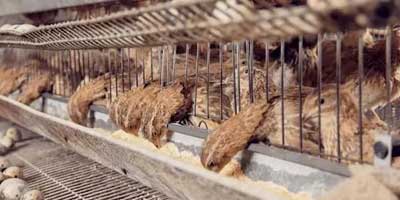
Quail cage design should take into account several factors to ensure the optimal living conditions for the quails. These factors include cage size, material selection, ventilation, nesting areas, and feeding and watering systems.
Cage Size and Space Requirements
Material Selection for Quail Cages
Ventilation and Airflow
Nesting and Roosting Areas
Feeding and Watering System
Understanding the Significance of quail cage design
The design of a quail cage plays a pivotal role in ensuring the well-being and successful rearing of your quails. A thoughtfully designed cage not only provides a secure space for the birds but also facilitates efficient management and maintenance. Here are some essential aspects to consider when constructing a quail cage:
Adequate Space and Dimensions
To create a comfortable living space for your quails, it is crucial to provide them with sufficient room to move around. The recommended space allowance for quails is approximately 1 square foot per bird. This allocation prevents overcrowding and allows the birds to engage in natural behaviors such as foraging and dust bathing, contributing to their overall health and happiness.
Optimal Ventilation and Airflow
Proper ventilation is essential for maintaining a healthy environment within the quail cage. Good airflow helps control temperature, humidity, and ammonia levels, minimizing the risk of respiratory ailments and ensuring optimal growth and productivity. Incorporating mesh or wire walls on the sides of the cage promotes adequate airflow and prevents the buildup of stale air.
Flooring and Bedding Considerations
Choosing the right flooring material and bedding is crucial for quail cage design. Wire mesh flooring with openings of approximately 1/2 inch is recommended, as it allows droppings to pass through and facilitates easy cleaning. Adding a layer of appropriate bedding material, such as wood shavings or straw, on top of the wire mesh provides comfort, helps absorb moisture, and prevents foot injuries.
Feeder and Waterer Placement
Strategic placement of feeders and waterers within the quail cage is vital to ensure easy access for the birds and minimize feed wastage. Mounting these essential components at a suitable height, away from the bedding material, prevents contamination and keeps the feed and water clean and hygienic. Additionally, regularly monitoring and refilling the feeders and waterers guarantee a constant supply for the quails’ nutritional needs.
Constructing a Quail Cage: Step-by-Step Guide
Now that we have explored the crucial aspects of quail cage design, let’s delve into the construction process. Here is a step-by-step guide to help you create a well-designed and functional quail cage:
Determine the Cage Size and Type
Decide on the appropriate size of the quail cage based on the number of birds you intend to rear. Consider the available space, as well as the dimensions required to meet the recommended space allowance per bird. You can choose from various cage types, such as single-tier, multi-tier, or colony cages, depending on your specific requirements and preferences.
Gather the Necessary Materials
Once you have determined the size and type of the cage, gather all the required materials. These typically include wire mesh, wooden or metal frames, connectors, hinges, and suitable fasteners. Ensure that the materials are of high quality and durable to withstand the environmental conditions and the quails’ activities.
Construct the Frame and Walls
Begin by constructing the frame of the quail cage using the chosen wooden or metal components. Ensure the frame is sturdy and secure, as it forms the foundation of the entire structure. Next, attach the wire mesh walls to the frame, leaving openings for doors and ventilation purposes. Make sure the mesh is tightly secured to prevent any potential escape or entry of predators.
Install Flooring and Bedding
Carefully install the wire mesh flooring, ensuring that the openings are of the appropriate size for droppings to pass through. Secure the flooring firmly to support the weight of the quails and any additional bedding. Add a layer of suitable bedding material to provide comfort and absorb moisture effectively.
Incorporate Feeders and Waterers
Strategically place feeders and waterers within the quail cage, ensuring easy access for the birds. Mount them at an appropriate height, away from the bedding, to maintain cleanliness and prevent contamination. Regularly monitor and replenish the feeders and waterers to ensure a continuous supply for the quails.
Conclusion
Designing and constructing a suitable quail cage is crucial for the health and productivity of your quails. Consider the factors discussed in this article, such as cage size, material selection, ventilation, nesting areas, and feeding and watering systems. With proper planning and construction, you can provide a comfortable and safe living space for your quails, ensuring their well-being and maximizing their potential.
FAQs
1. How many quails can I house in a single cage?
The recommended space per quail is around 1 square foot. Calculate the total space in the cage and divide it by the required space per quail to determine the maximum capacity.
2. Can I use recycled materials for constructing quail cages?
Using recycled materials is possible as long as they meet the necessary criteria of durability, safety, and hygiene. Ensure that the materials are thoroughly cleaned and free from any harmful substances.
3. How often should I clean the quail cage?
Regular cleaning is important to maintain a healthy environment for the quails. Clean the cage at least once a week, removing waste and disinfecting as needed.
4. Can I house different quail species together in one cage?
It is generally not recommended to house different quail species together, as they may have different behavioral patterns and compatibility. It’s best to provide separate cages or enclosures for different species.
5. What should I do if my quails show signs of stress or aggression in the cage?
If you observe signs of stress or aggression among your quails, evaluate the cage design and make adjustments if necessary. Provide ample hiding spots, perches, and space to minimize conflicts. If the issue persists, consider separating the quails into individual cages.