.png)
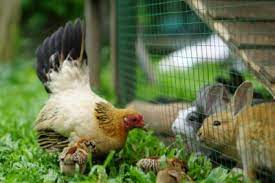
Keeping chickens and rabbits together in a coop is becoming increasingly popular among backyard farmers and homesteaders. This practice involves housing chickens and rabbits in the same enclosure, often with the aim of optimizing space and resources. Chickens and rabbits are both valuable sources of food, and combining them in one coop can help reduce the need for separate housing and feeding systems.
However, keeping chickens and rabbits together requires careful planning and management to ensure the health and safety of both animals. There are several factors to consider, such as the compatibility of the two species, the type of housing and bedding required, and the feed and water requirements of each animal. By reading this article, you can expect to learn about the benefits and challenges of keeping these animals together, as well as the best practices for housing, feeding, and managing their care. Additionally, this article will provide tips for maintaining a healthy and productive coop environment for both chickens and rabbits.
Can rabbits and chickens live together?
While it is possible for rabbits and chickens to live together, there are several factors to consider before combining them in the same living space. On the one hand, keeping these animals together can offer several benefits such as reduced housing and feeding costs and improved space utilization. On the other hand, there are several drawbacks and potential risks involved, such as health concerns, hygiene issues, and compatibility challenges.
One of the primary concerns when keeping rabbits and chickens together is their compatibility. While both animals are social creatures, they have different behaviors and needs. Chickens are natural foragers and enjoy scratching and pecking around for food, while rabbits prefer to graze on hay or fresh greens. This can create conflict when the animals are housed together, as the chickens may disrupt the rabbit’s feeding habits or vice versa. Furthermore, rabbits can be territorial, and may not appreciate the presence of another species in their living space. Additionally, the two animals have different dietary requirements, which can make it challenging to ensure that they receive adequate nutrition when housed together.
Another potential drawback of keeping rabbits and chickens together is the risk of disease transmission. To ensure that rabbits and chickens coexist peacefully and remain healthy, it is essential to take several precautions. First, it is crucial to provide adequate space for each animal, with separate areas for feeding and nesting. Additionally, providing plenty of hiding places and enrichment items can help reduce stress and minimize territorial behavior. Regular cleaning and disinfecting of the coop is also essential to prevent the buildup of harmful bacteria and parasites.
In conclusion, while it is possible for rabbits and chickens to live together, it requires careful planning and management to ensure their health and well-being. By considering the potential benefits and drawbacks, and taking the necessary precautions, it is possible to create a safe and harmonious living space for both animals.
chicken and rabbit coop plans
Designing a coop that can accommodate both chickens and rabbits requires careful consideration of several factors, including space requirements, compatibility, and access to food and water. The following are key considerations to keep in mind when designing chicken and rabbit coop plans:
Space requirements: Both chickens and rabbits require ample space to move around and engage in their natural behaviors. A chicken and rabbit coop that can accommodate both species should be large enough to provide adequate space for each animal, with separate areas for nesting, feeding, and exercising.
Compatibility: Chickens and rabbits have different behaviors and needs, and may not always get along when housed together. A chicken and rabbit coop that can accommodate both species should provide ample hiding places and enrichment items to minimize stress and territorial behavior.
Access to food and water: Chickens and rabbits have different dietary requirements, and it is essential to provide separate feeding and watering areas to ensure that each animal receives adequate nutrition.
Special features or materials that may be recommended for this type of coop include:
Wire mesh flooring to prevent rabbits from digging out of the coop
Multiple levels or platforms to provide additional space for both species to move around
Automatic doors or openers to allow the animals to access the chicken and rabbit coop during the day and return at night
Use of non-toxic materials to prevent harm to the animals
By following these guidelines and incorporating these features, it is possible to design and build a chicken and rabbit coop that can accommodate both chickens and rabbits, providing a safe and comfortable living space for both species.
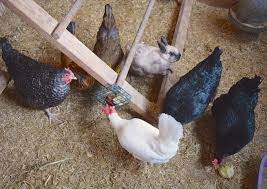
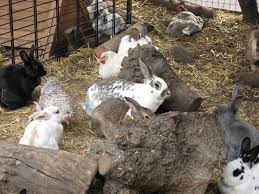
Maintaining a chicken and rabbit coop
Maintaining a chicken and rabbit coop is essential to ensure the health and safety of both animals. The following are steps that should be taken to keep the coop clean and secure, as well as tips for feeding and caring for both species in a shared space:
Clean the chicken and rabbit coop regularly: It is important to clean the coop regularly to prevent the buildup of waste and bacteria. Remove any soiled bedding and replace it with fresh, clean material. Scrub the walls, floors, and nesting boxes with a disinfectant solution to kill bacteria and prevent disease.
Secure the coop: To protect the chickens and rabbits from predators, it is essential to secure the coop with sturdy locks and latches. Check for any holes or gaps in the walls or roof, and repair them promptly.
Provide separate feeding and watering areas: Chickens and rabbits have different dietary requirements, and it is important to provide separate feeding and watering areas to prevent competition and ensure that each animal receives adequate nutrition.
Provide ample hiding places and enrichment: Chickens and rabbits both require hiding places and enrichment items to reduce stress and prevent aggressive behavior. Provide plenty of branches, hay bales, and boxes for both species to explore and play with.
Monitor for signs of illness: Regularly monitor the animals for signs of illness, such as lethargy, loss of appetite, or abnormal behavior. If any concerns arise, consult a veterinarian promptly.
Additional considerations for maintaining a chicken and rabbit coop include providing separate nesting areas to prevent territorial behavior and maintain proper ventilation to prevent respiratory problems. By following these guidelines and providing attentive care, it is possible to maintain a clean, secure, and comfortable living space for both chickens and rabbits in a shared coop.