.png)

Introduction
In the realm of modern agriculture and sustainable waste management, the innovation of manure dryer machines has emerged as a game-changer. These advanced systems address the challenges of handling and utilizing manure efficiently. Let’s delve into the world of manure dryer machine, their operation, benefits, and their pivotal role in modern farming practices.
Understanding Manure Drying Process
The Importance of Proper Manure Management
As agricultural practices evolve, so do the concerns associated with waste management. Manure, a byproduct rich in nutrients, plays a crucial role in soil fertility. However, its raw form can pose environmental and logistical challenges.
Challenges with Raw Manure
Raw manure contains high moisture content, making it bulky and difficult to transport and store. Additionally, its moisture-rich composition can lead to foul odors, nutrient runoff, and even potential groundwater contamination.

The Innovation of Manure Dryer Machine
How Poultry Manure Dryers Work
Manure dryer machines employ cutting-edge technology to remove excess moisture from manure efficiently. The process involves subjecting the manure to controlled heat and airflow, evaporating the moisture content while preserving its nutrient value.
Benefits of Using a Poultry Manure Dryers
The benefits of utilizing manure dryers are multifaceted. Firstly, the reduction in moisture content significantly reduces the weight and volume of the manure, simplifying transportation and storage. Secondly, the drying process eliminates pathogens and weed seeds, resulting in sanitized, nutrient-rich organic material.
Types of Manure Dryer Machines
Rotary Manure Dryers
Rotary dryers are widely used due to their robustness and versatility. They consist of a rotating drum where manure is fed and subjected to heat and airflow, ensuring uniform drying.
Fluid Bed Manure Dryers
Fluid bed dryers utilize the principle of fluidization to dry manure particles. The manure is suspended on a perforated surface and exposed to hot air, leading to rapid moisture removal.
Flash Manure Dryers
Flash dryers operate at high temperatures and short drying times. They disperse the manure into a stream of hot air, causing instantaneous evaporation of moisture.
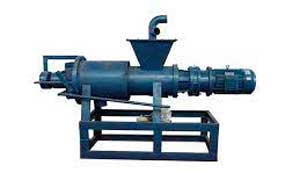


Key features to look for when choosing a poultry manure dryer
When considering the selection of a poultry manure dryer, it’s crucial to delve into the key features that can significantly influence the effectiveness and environmental impact of the drying process. These features not only determine the quality of the end product but also shape the overall sustainability of agricultural practices.
Temperature Control Systems: Preserving Nutrient Integrity and Ensuring Safety
One of the pivotal aspects to assess in a poultry manure dryer is the presence of advanced temperature control mechanisms. These sophisticated systems play a critical role in regulating the drying process to achieve optimal outcomes. By carefully calibrating the temperature settings, these mechanisms strike a delicate balance between retaining the nutrient content of the manure and eradicating potentially harmful pathogens. This precise control ensures that the final dried product maintains its valuable nutrients, making it an invaluable asset for enriching soil quality. Moreover, the elimination of pathogens enhances the safety of the product for application in agricultural fields.
Energy Efficiency and Sustainability: A Forward-Thinking Approach
In the realm of modern farming, energy efficiency and sustainability take center stage. This ethos extends to the realm of chicken manure drying machines, where the emphasis is on minimizing energy consumption and reducing the ecological footprint. Contemporary dryers are thoughtfully engineered with energy-efficient features that optimize the drying process while curbing operational expenses. These innovations encompass heat recovery systems and streamlined airflow patterns, enabling thorough drying without excessive energy use. By embracing energy-efficient designs, farmers can not only reduce costs but also contribute to eco-friendly agricultural practices that align with broader sustainability goals.
Applications of Poultry Manure Dryers: Transforming Waste into Resources
The reach of poultry manure dryers extends to diverse applications that bolster the efficiency of agricultural systems and reduce reliance on synthetic inputs.
Agricultural Farms: On-Farm Solutions for Soil Enrichment
Manure dryers revolutionize waste management by offering on-farm solutions that transform organic waste into a valuable resource. The dried manure, rich in nutrients, becomes an excellent fertilizer that can be directly applied to fields. This integration closes the loop in sustainable agriculture, converting waste into a beneficial input that enhances soil fertility and plant growth. By embracing manure dryers, farmers can effectively manage waste while improving the overall health of their farmland.
Fertilizer Production: Bridging the Gap Between Waste and Commercial Products
Dried manure finds its place as a fundamental ingredient in commercial fertilizer production. This strategic use reduces the reliance on synthetic alternatives and underscores the potential of organic resources in the agricultural sector. Incorporating dried manure into fertilizer production not only enriches the nutrient composition of the final product but also supports a circular economy approach, where organic waste is repurposed to create valuable inputs for plant cultivation.
In conclusion, the meticulous assessment of key features in poultry manure dryers, such as advanced temperature control and energy efficiency, can profoundly impact both the quality of the end product and the sustainability of agricultural practices. These innovations underscore the shift towards responsible waste management and the optimization of valuable organic resources for the betterment of agricultural ecosystems.
Applications of Manure Dryers
Agricultural Farms
Manure dryers offer on-farm solutions for converting waste into valuable resources. The dried manure can be directly applied to fields as nutrient-rich fertilizer.
Fertilizer Production
Dried manure serves as a key ingredient in commercial fertilizer production, reducing the dependence on synthetic alternatives.
Choosing the Right Manure Dryer Machine for Your Needs
Capacity and Scale
Selecting a dryer that matches your farm’s scale ensures optimal performance and resource utilization.
Budget Considerations
Various dryer models are available to suit different budgets. A cost-effective option should still provide efficient drying and nutrient retention.
Installation and Maintenance
Proper Installation Procedures
Correct installation is crucial for the efficient operation of manure dryers. Expert guidance should be sought to ensure safe and effective setup.
Maintenance Tips for Longevity
Regular cleaning, inspection, and maintenance of components like heating elements and airflow systems extend the lifespan of the dryer.
Addressing Environmental Concerns
Minimizing Odor Emissions
Advanced dryer designs incorporate odor control mechanisms, reducing the impact of foul smells on surrounding communities.
Handling Dried Manure Byproducts
Proper disposal or utilization of the dried manure byproduct is essential to prevent any unintended environmental consequences.
Poultry Manure Dryer vs. Chicken Manure Dryer
Unique Challenges of Poultry Manure Drying
Poultry manure often contains higher moisture levels and ammonia content, necessitating specialized drying approaches.
Advantages of Using Chicken Manure Dryers
Dedicated chicken manure dryers are tailored to address the specific challenges posed by poultry waste, ensuring efficient drying and nutrient preservation.
Future Trends in Manure Drying Technology
Integration of IoT and Automation
The future holds possibilities for integrating Internet of Things (IoT) technology to monitor and optimize drying processes remotely.
Enhanced Resource Recovery
Continued research aims to extract additional value from dried manure, potentially yielding biofuels or other valuable byproducts.
Conclusion
In a world where sustainable practices are paramount, manure dryer machines have emerged as a transformative solution. These advanced systems not only mitigate environmental challenges associated with raw manure but also unlock the potential for resource recovery and optimized soil enrichment. As the agricultural landscape evolves, embracing the technology of manure dryers paves the way for efficient waste management and a greener future.
FAQs
Q: Are manure dryers suitable for all types of manure?
A: While manure dryers can handle various types of manure, certain designs are better suited for specific waste compositions.
Q: Can dried manure be used as a substitute for chemical fertilizers?
A: Yes, dried manure retains its nutrient content and can effectively replace synthetic fertilizers, promoting organic farming practices.
Q: How do manure dryers contribute to environmental sustainability?
A: Manure dryers reduce the environmental impact of raw manure by decreasing odors, pathogens, and nutrient runoff.
Q: What role does temperature control play in manure drying?
A: Precise temperature control ensures that the drying process optimizes moisture removal while preserving the nutrient integrity of the manure.