.png)
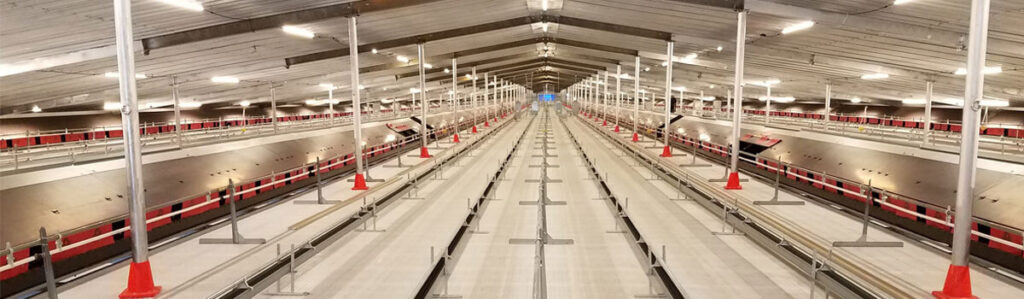
In the realm of poultry welfare and productivity, the poultry flooring system assumes a critical role. An exquisitely crafted and meticulously maintained flooring system not only furnishes birds with a comfortable and secure environment but also contributes to their overall well-being and performance.
Introduction
With the incessant rise in demand for poultry products, poultry farmers are directing increasing attention towards establishing ideal conditions for their flocks. The flooring system stands as a pivotal aspect that directly impacts the birds’ welfare. A suitable flooring system guarantees a clean, dry, and comfortable surface for the birds to traverse and rest upon, thereby minimizing the likelihood of injuries and diseases.
Significance of Poultry flooring systems
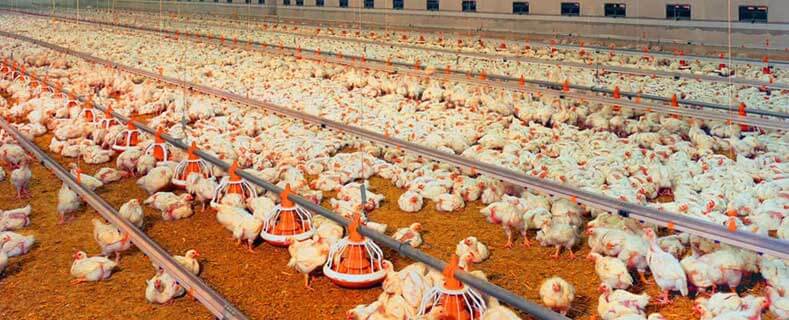
Well-designed poultry flooring systems hold essential importance for several reasons. Firstly, they contribute significantly to maintaining the hygiene and sanitation standards of the poultry house. Optimal poultry flooring systems facilitate the effortless removal of waste, effectively preventing the accumulation of detrimental bacteria and parasites. Secondly, these systems create a comfortable and stress-free environment for the birds, enabling them to exhibit natural behaviors while diminishing the risk of leg complications. Lastly, well-crafted poultry flooring systems enhance management efficiency by streamlining tasks such as cleaning, feeding, and disease control.
types of flooring for poultry houses
Conventional poultry flooring systems
In the past, conventional flooring systems like compacted dirt or concrete were widely utilized. While these systems are cost-effective, they do possess several drawbacks, including inadequate insulation, arduous cleaning processes, and limited comfort for the birds.
Slatted poultry flooring systems
Slatted poultry flooring systems comprise raised platforms with gaps between the slats. These systems facilitate the passage of manure through the gaps, ensuring a relatively clean surface. Slatted systems offer excellent ventilation and effortless waste removal, although wider gaps may lead to footpad and leg issues.
Plastic flooring systems
The popularity of plastic flooring systems stems from their durability, easy installation, and low maintenance requirements. These systems provide birds with a comfortable, non-slip surface. Plastic systems can be either solid or slatted and boast resistance to corrosion, chemicals, and moisture.
Wire flooring systems
Wire flooring systems are constructed using wire mesh, allowing the passage of manure. They offer good drainage and ventilation, although incorrect mesh sizes may result in foot injuries. Wire flooring is commonly employed for broiler chickens.
Rubber flooring systems
Rubber flooring systems offer excellent traction, cushioning, and insulation for the birds, effectively reducing leg problems and enhancing comfort. However, they do entail higher costs and necessitate regular maintenance to prevent bacterial growth.

Factors to consider
When opting for a poultry flooring system, various factors warrant consideration:
Durability
The chosen poultry farm flooring should possess the durability necessary to withstand the weight and movement of the birds, as well as the cleaning and disinfection processes.
Hygiene and Sanitation
An immaculate poultry farm flooring expedites waste removal, curtails bacterial proliferation, and minimizes disease risks.
Comfort and Well-being
The flooring ought to furnish a comfortable surface that permits natural behavior and diminishes the likelihood of leg complications.
Ease of Cleaning and Maintenance
Efficient cleaning and maintenance routines are vital for maintaining a healthy flock. The flooring system should be easily cleanable, minimizing downtime and labor requirements.
Cost-effectiveness
The chosen flooring system should strike a balance between costs and benefits. Long-term maintenance expenses and their impact on flock performance should be taken into account.
Superlative Practices for Poultry Flooring
To guarantee optimal conditions for poultry, adhere to these exemplary practices when implementing poultry flooring systems:
Regular Inspections and Maintenance
Conduct regular inspections of the flooring system to identify any damage, wear, or potential hazards. Promptly repair or replace worn-out or damaged components.
Prudent Installation and Construction
Ensure that the poultry farm flooring is installed meticulously, following the manufacturer’s guidelines and adhering to industry standards. Attention should be paid to proper anchoring and structural support.
Ensuring Appropriate Drainage
Adequate drainage is indispensable in averting moisture accumulation and waste buildup. The poultry farm flooring should facilitate efficient drainage, minimizing the risk of bacterial growth and ammonia accumulation.
Appropriate Selection of Flooring Material
Take into consideration the specific requirements of the flock when selecting a flooring material. Evaluate factors such as durability, comfort, and ease of maintenance.
Provision of Adequate Ventilation
Maintain sufficient ventilation within the poultry house to ensure optimal air quality and moisture control. Proper ventilation aids in keeping the flooring dry and reduces the likelihood of respiratory issues.
Conclusion
Poultry flooring systems play a pivotal role in establishing a healthy and productive environment for poultry. By comprehending the significance of diverse flooring types and considering key factors during their selection and maintenance, farmers can elevate the welfare and performance of their flocks. The implementation of best practices and regular inspections ensures that poultry flooring systems continue to contribute to the triumph of the poultry industry.
FAQs
Q: What are the advantages of utilizing slatted flooring systems for poultry?
A: Slatted flooring systems provide excellent ventilation, facilitate easy waste removal, and furnish birds with a comfortable surface. They help maintain hygiene and reduce the risk of leg problems.
Q: Are plastic flooring systems suitable for all types of poultry?
A: Yes, plastic flooring systems can be utilized for various types of poultry, including broilers, layers, and turkeys. They offer durability, comfort, and easy maintenance.
Q: Do rubber flooring systems require specialized maintenance?
A: Rubber flooring systems necessitate regular cleaning and disinfection to prevent bacterial growth. However, they offer outstanding cushioning, insulation, and traction for the birds.
Q: Can wire flooring systems cause injuries to poultry?
A: Wire flooring systems can cause foot injuries if the mesh size is inappropriate. Care should be taken to select the appropriate mesh size based on the specific type of poultry.
Q: How frequently should I inspect the poultry flooring system?
A: Regular inspections are recommended to identify any damage, wear, or hazards. The frequency of inspections may vary but should be conducted at least monthly or as needed.